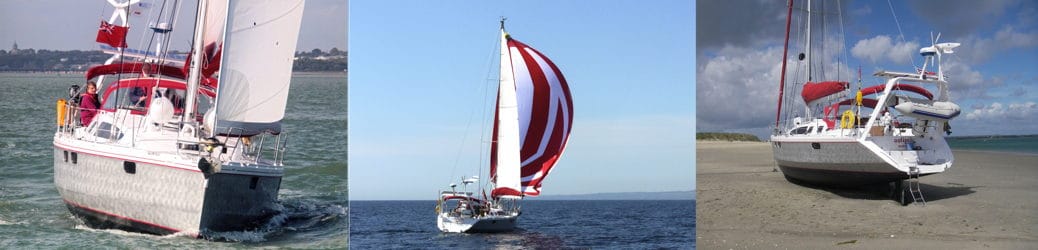
From Vordingborg we sailed westward into the Smålandsfarvandet – the ’small lands waters’ south of Zealand which, as the name infers, have several small islands. We were against a westerly wind forecast as F4-5 but which turned out to be F5-6. We reefed and deployed the staysail in place of the large Genoa.
Eventually, we arrived at the island of Femø. The island is known for its summer camp for women and for a jazz festival. Femø is now mainly arable agriculture and lanes lead inland through the fields to two villages Nørreby and Søndeby. Most of the inhabitants are retirees and the island has a lovely slow pace.
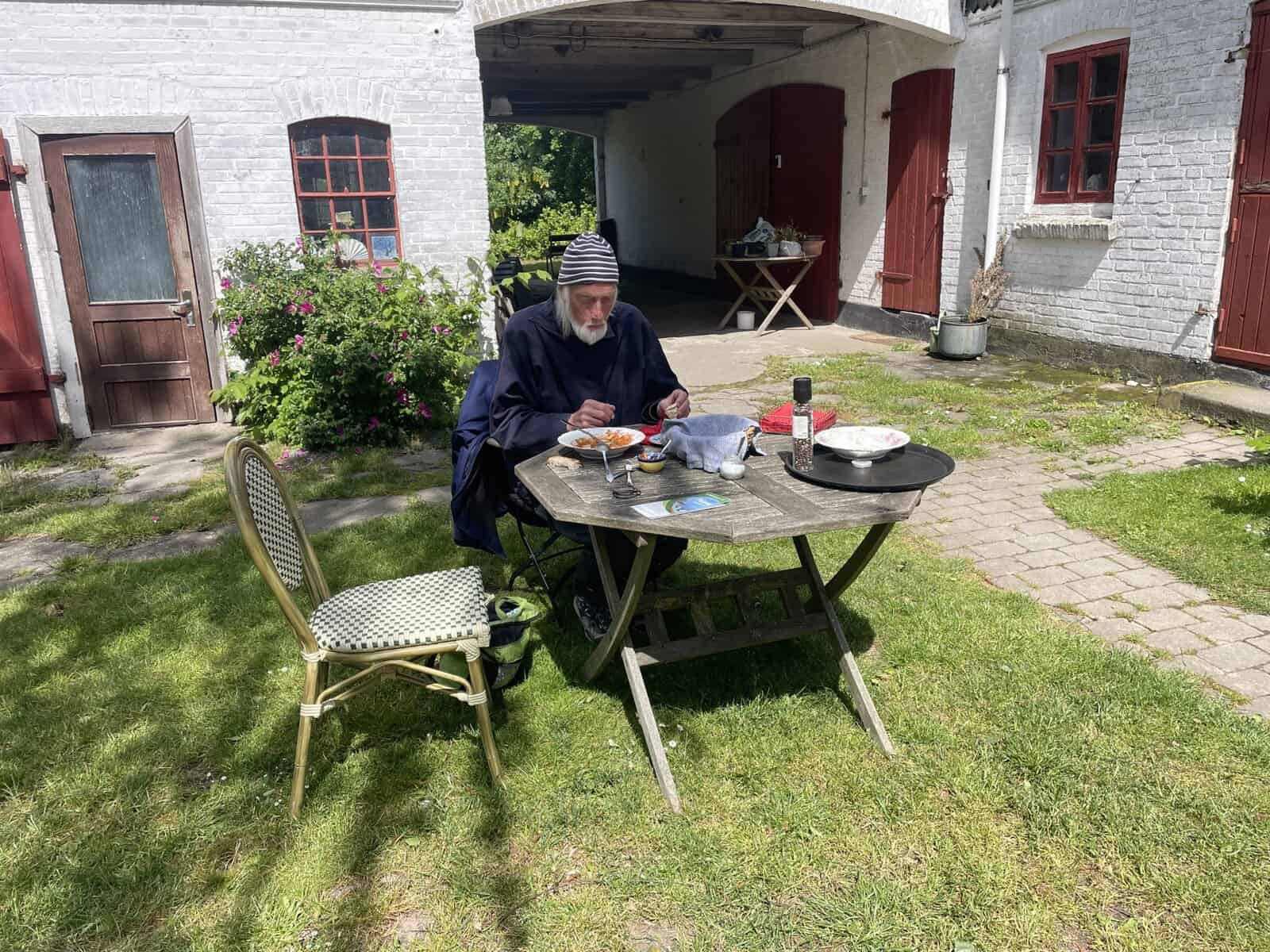
There is just one shop at the port, a small hotel and Hørjiisgard, a B&B establishment in an old farmstead.
We enjoyed coffee, tea and home-made cake and later lunch at Hørjiisgard, which is run by Susie, who turns out to be Irish, and her Danish partner Michael. Susie bakes sourdough bread and cakes, which are much in demand with other islanders.
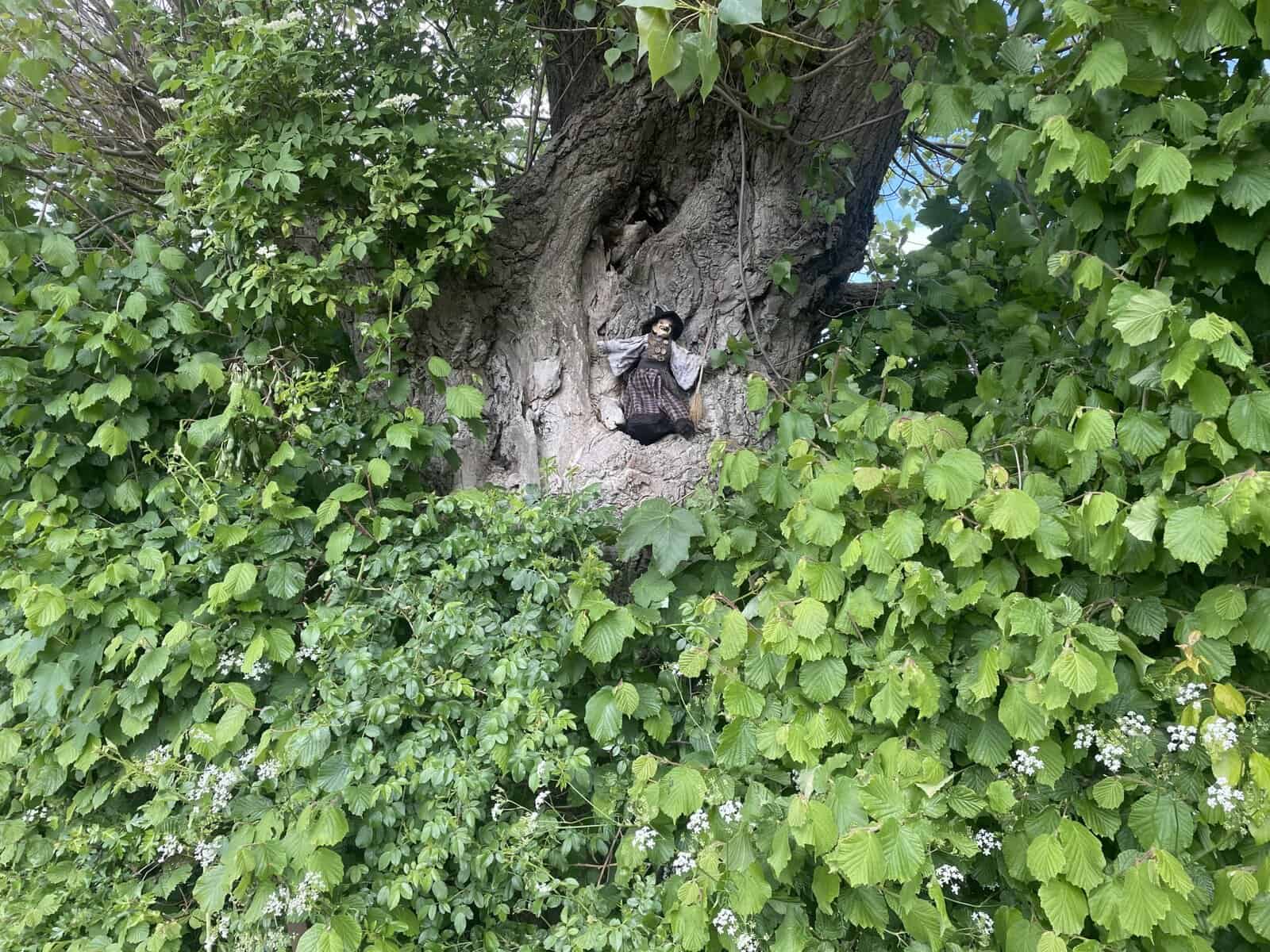
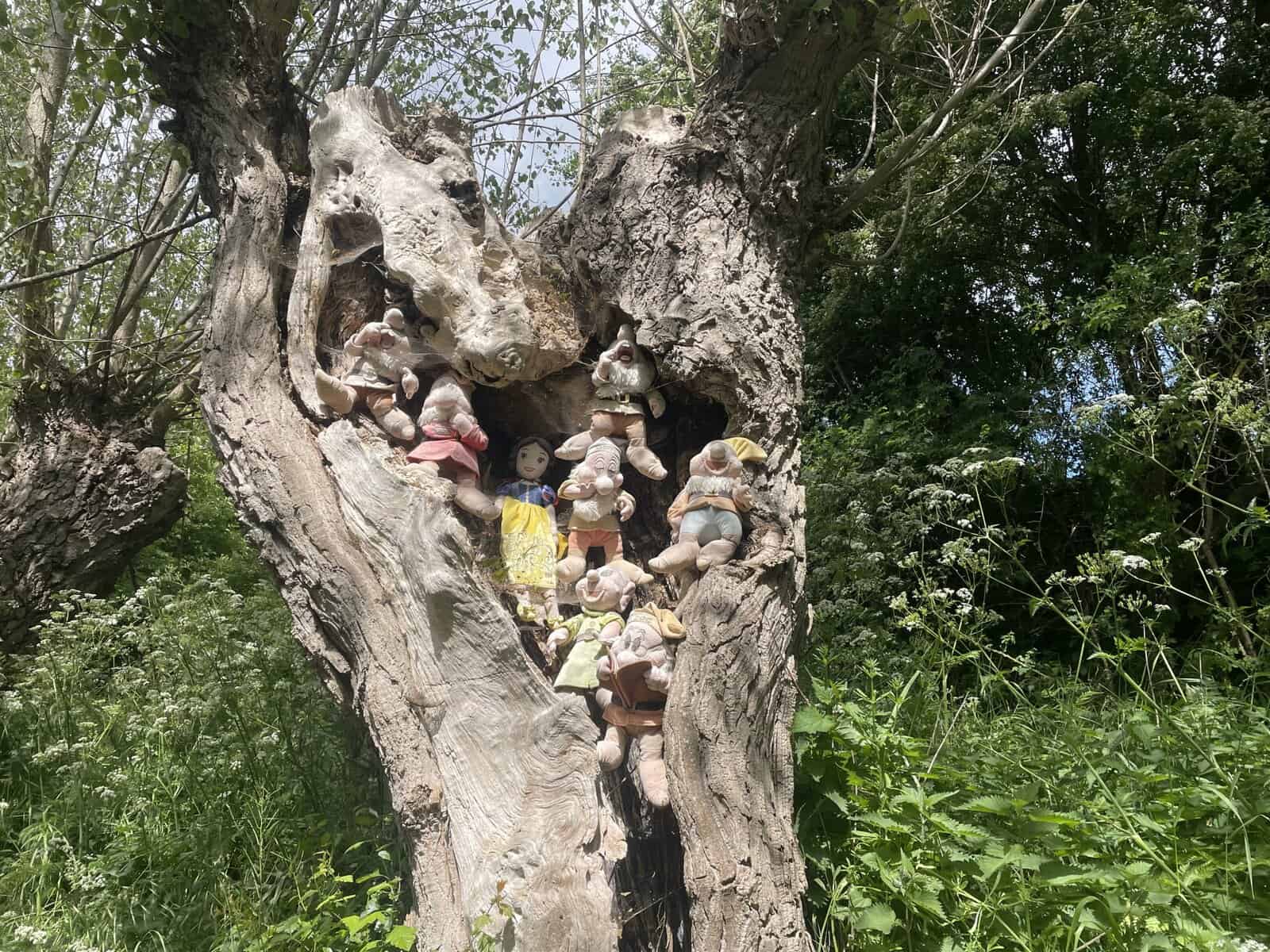
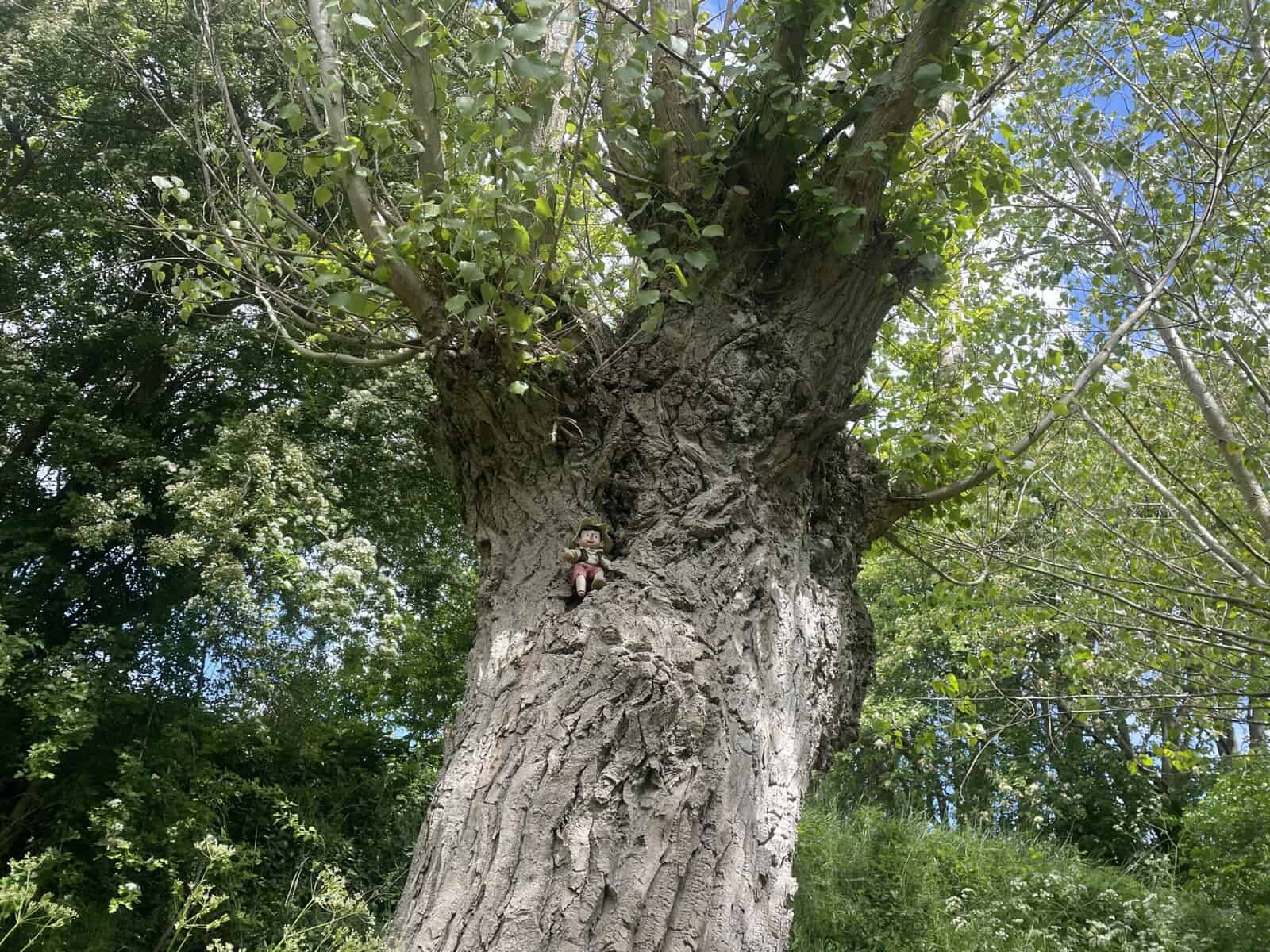
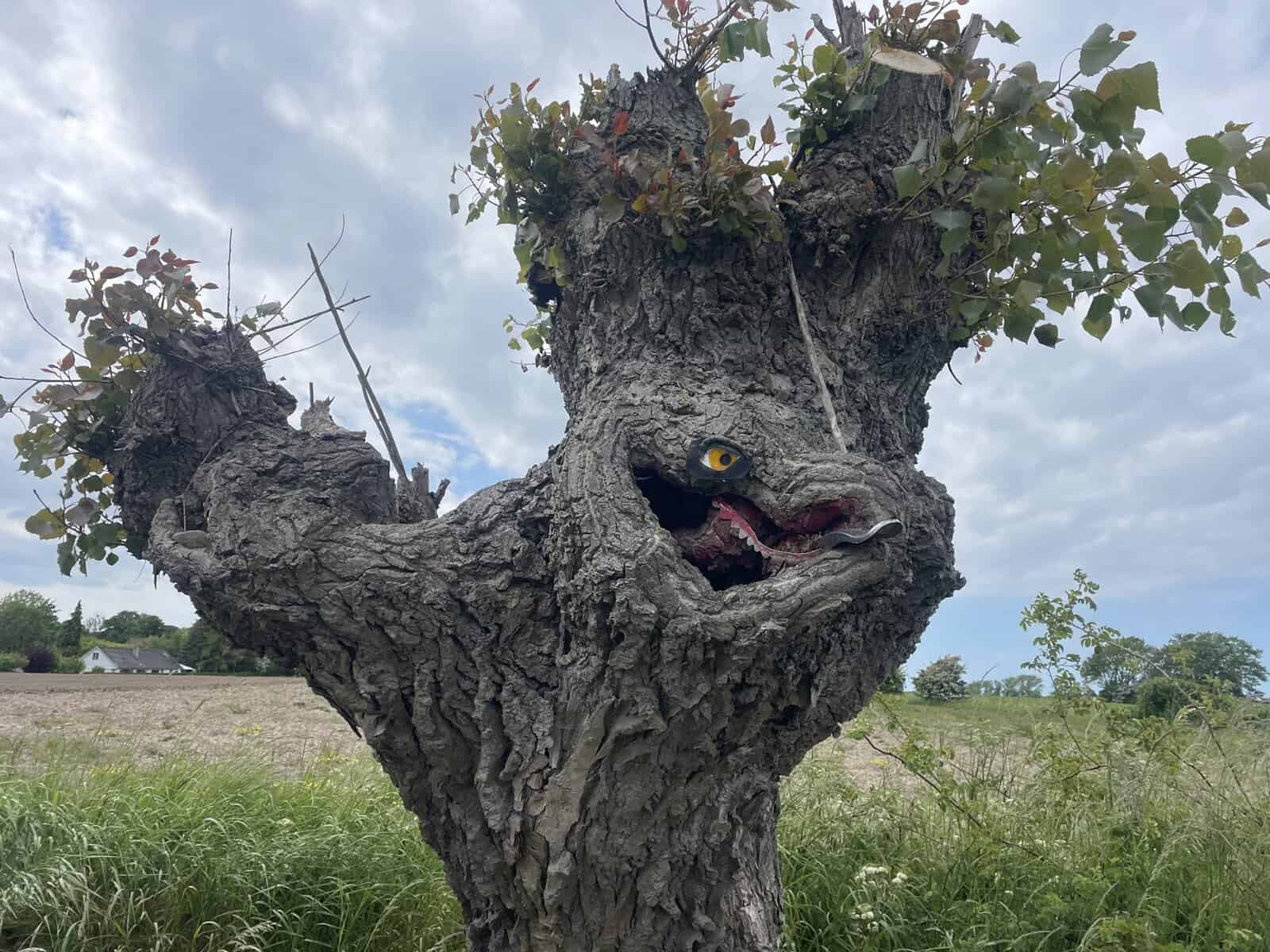
We cycled around much of the island. Many of the residents are artistic. One 80-year old lady has created figures in rows of trees. In Witches Lane we saw witches, in Fairy Lane, fairly tale characters, and another lane had trolls.
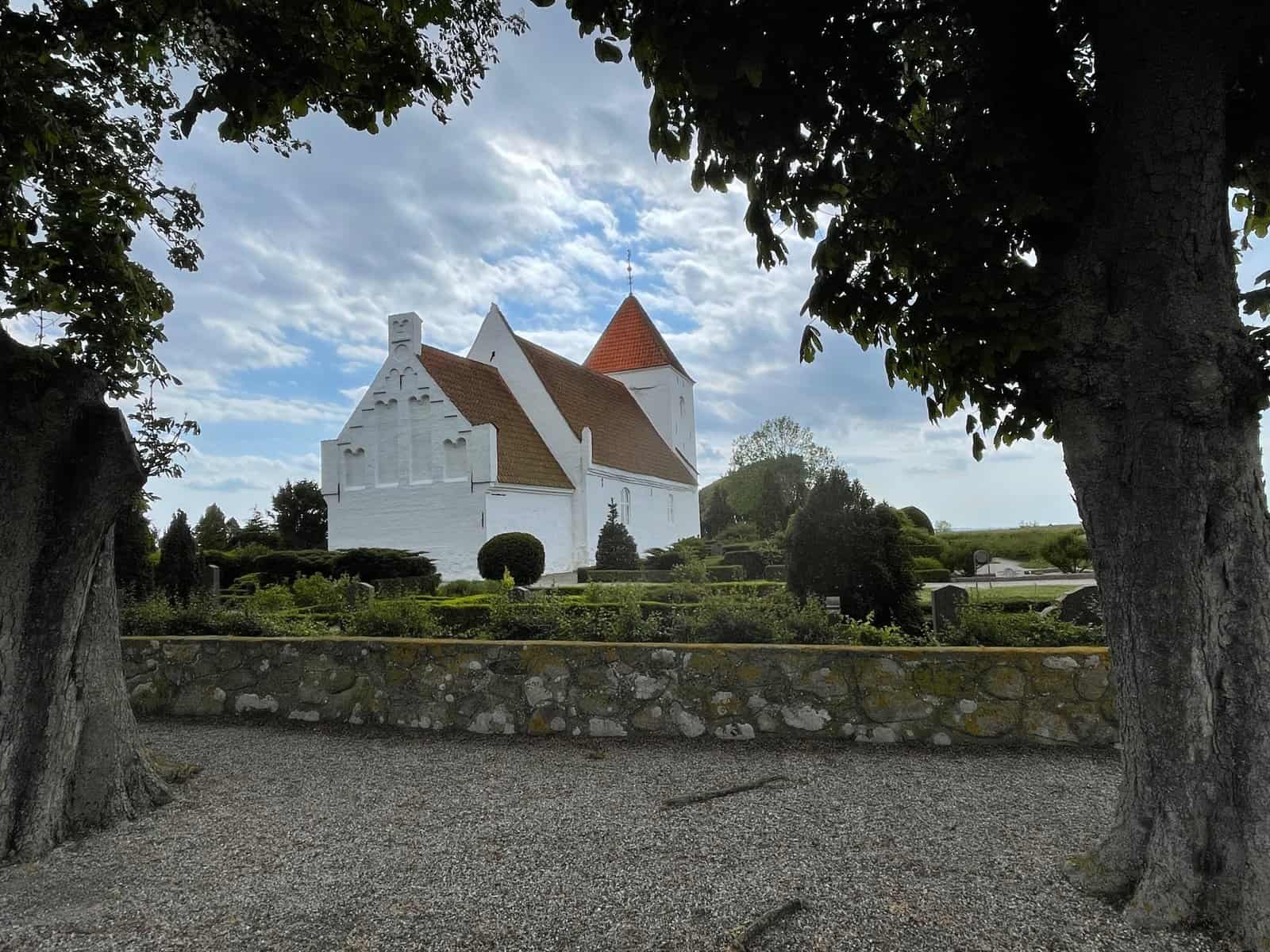
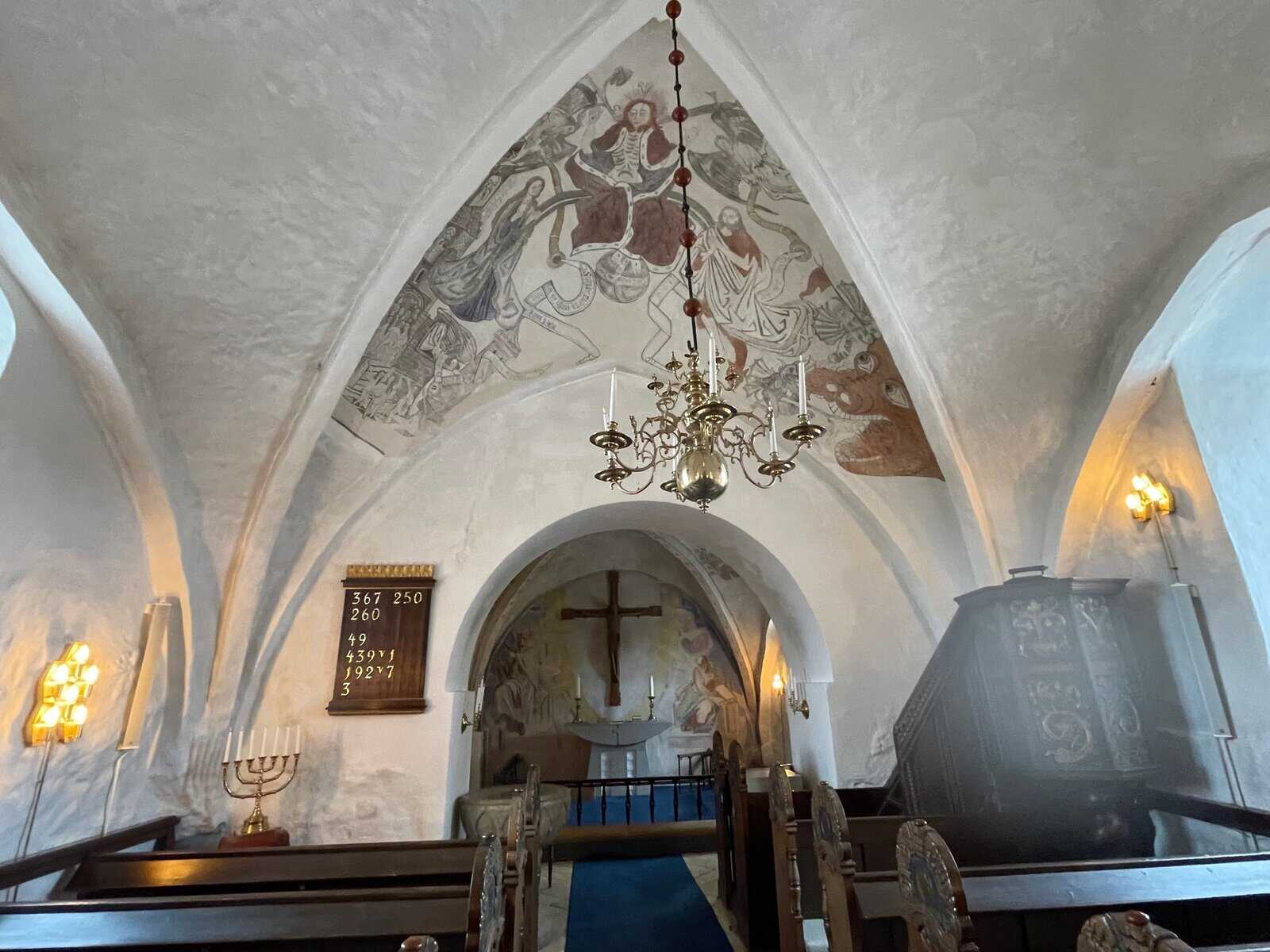
Michael is warden of the island’s church and he invited us to meet up the next day for a guided tour. He arrived bearing fresh sourdough bread from Susie, which was very welcome. The church dates from 16th century. It retains remarkable pre-reformation wall paintings.
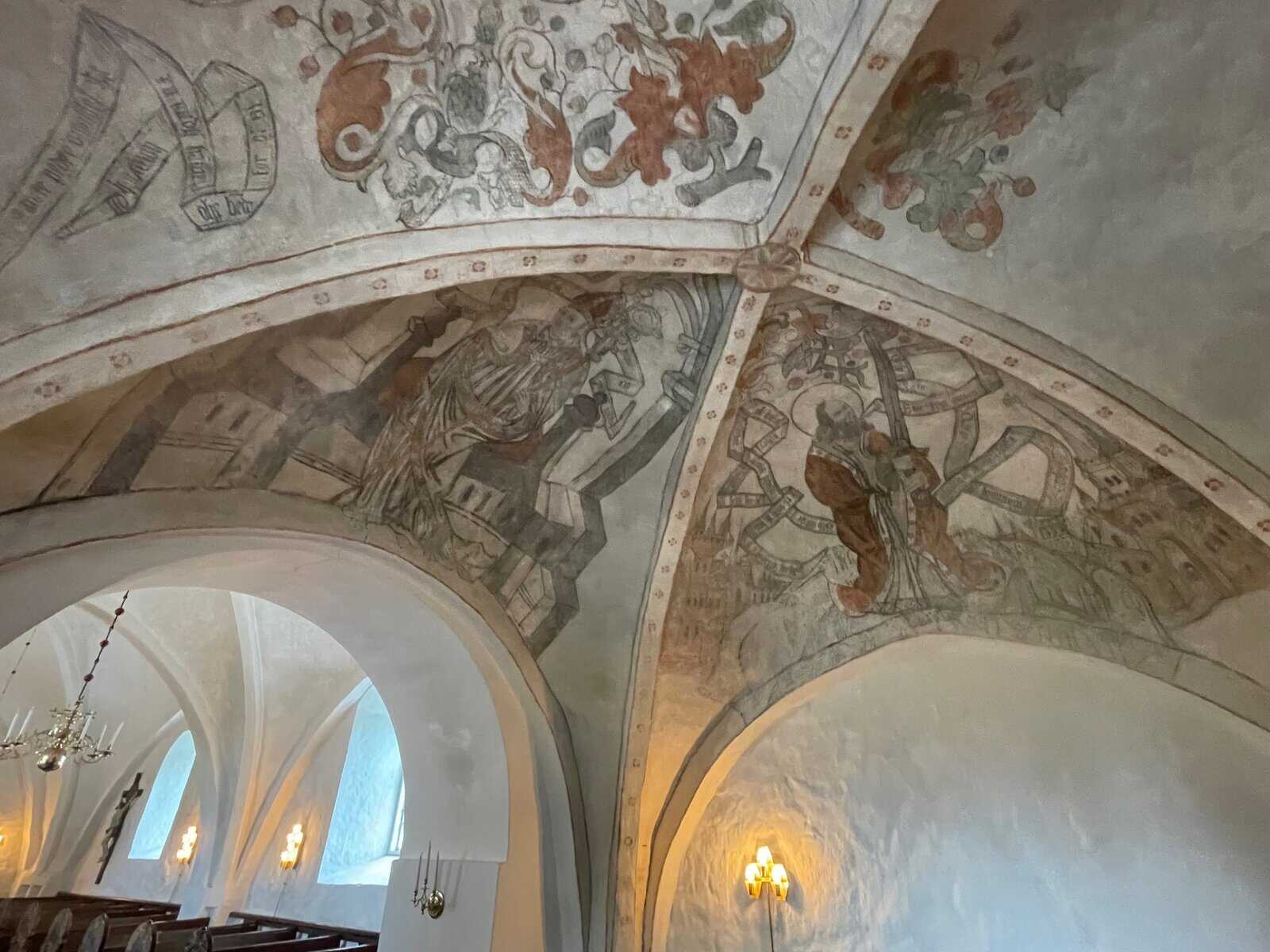
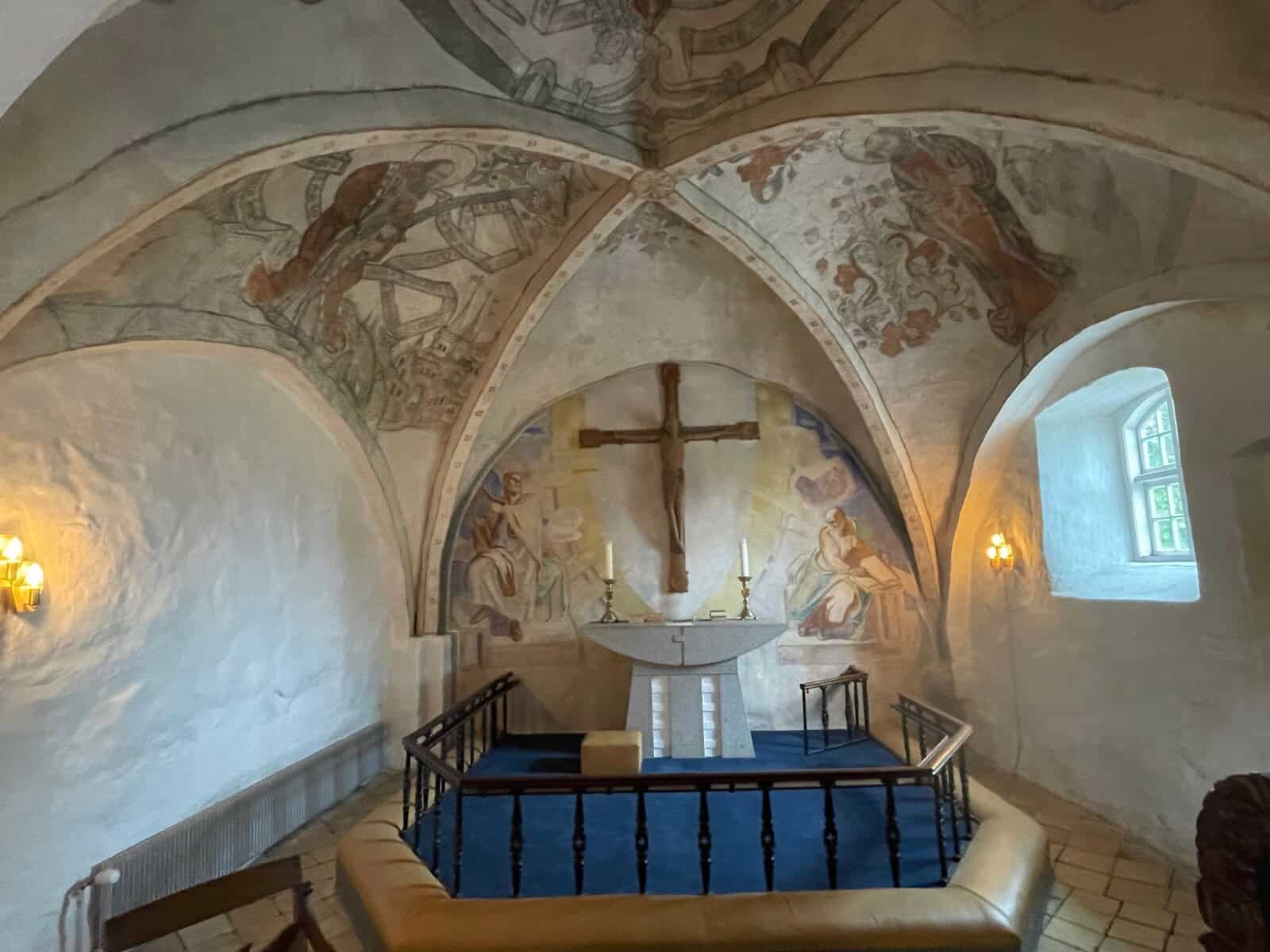
Femø has a lovely feel to it. We were sad to leave when fair winds beckoned.
From Femø, we sailed 37nm across the Store Bælt (the wide waterway between Zealand and Fyn to Nyborg. It started out idyllically with F4 and full sunshine but later we were becalmed one moment and then hit with F5-6 from all directions!
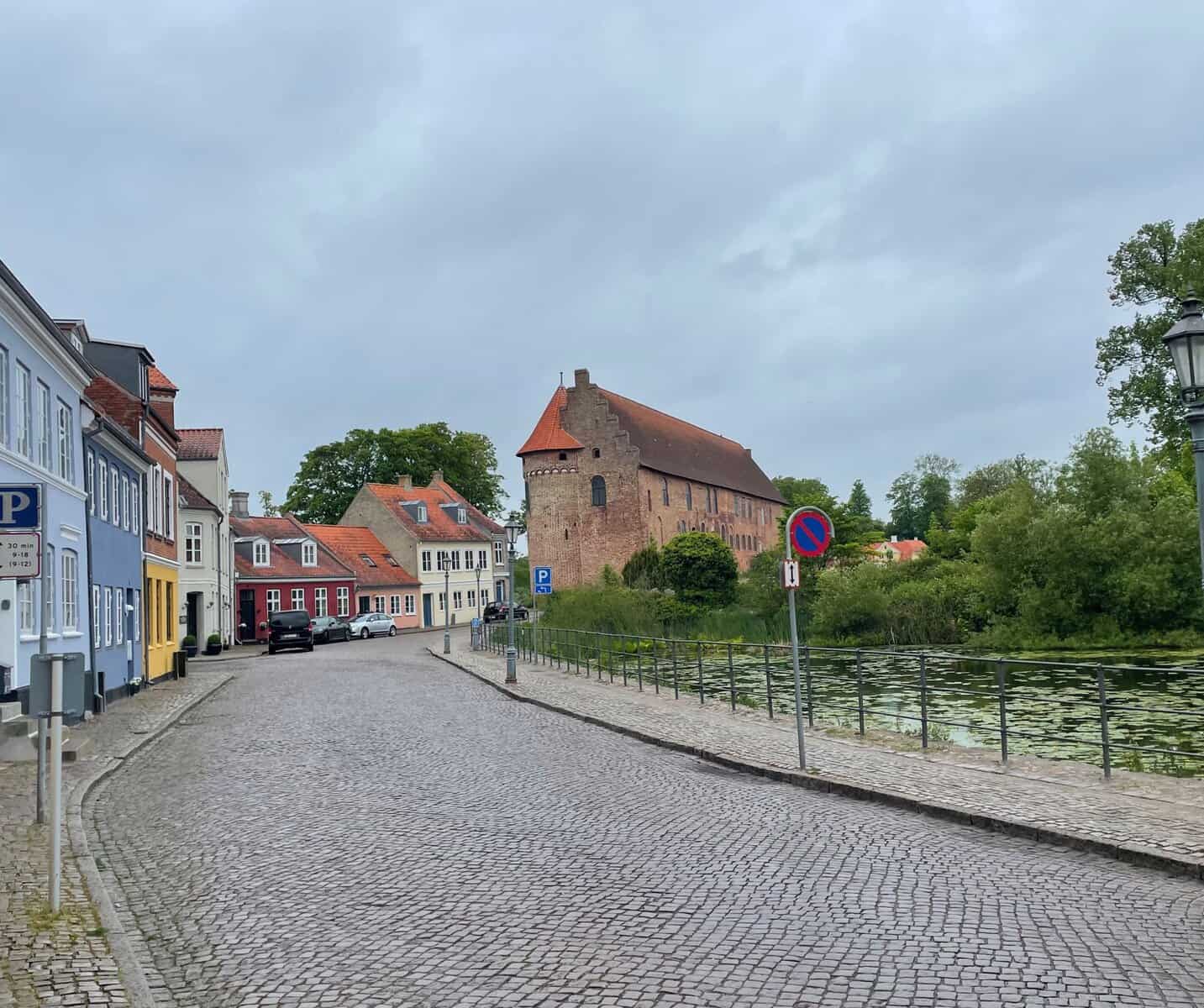
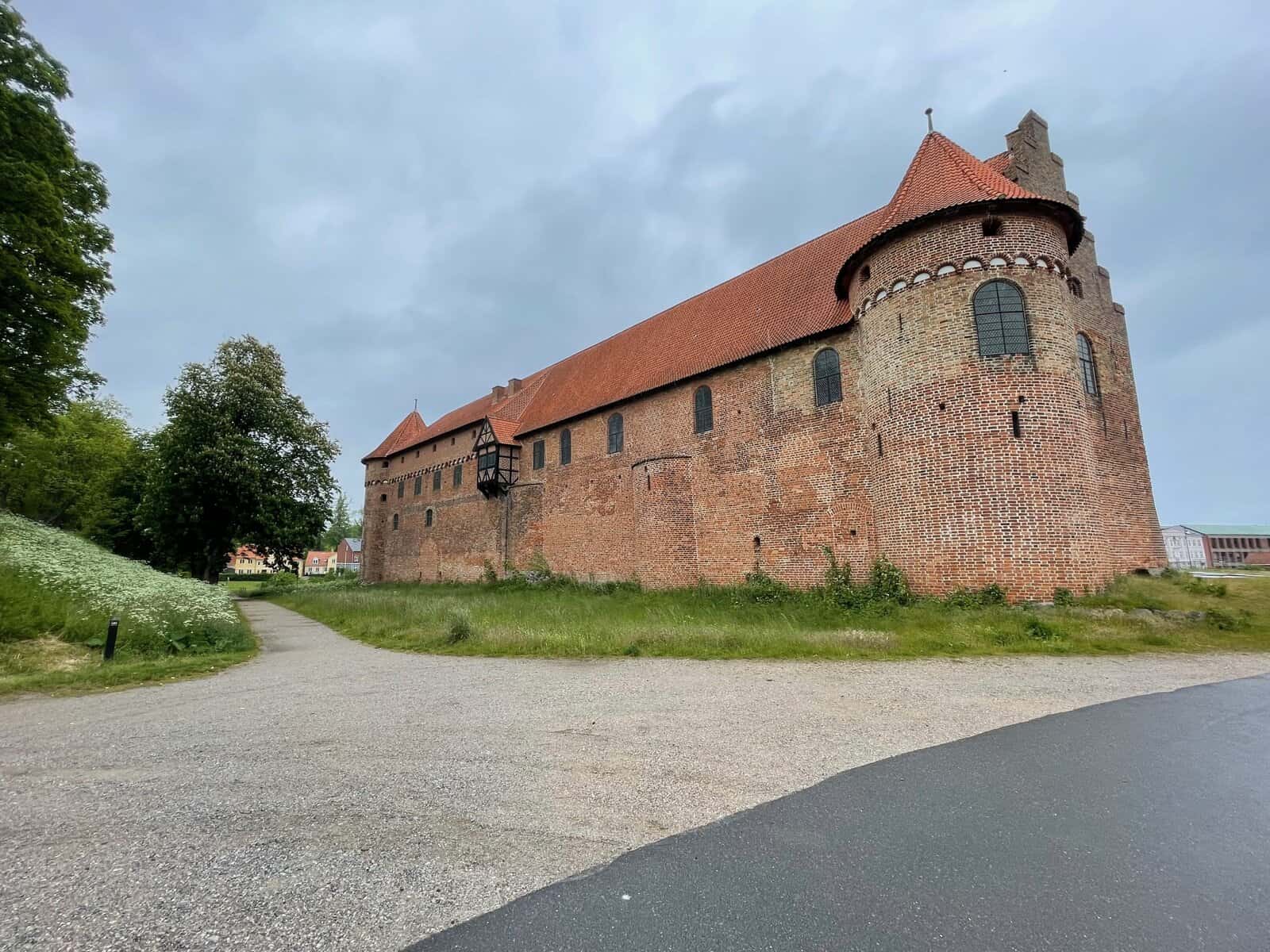
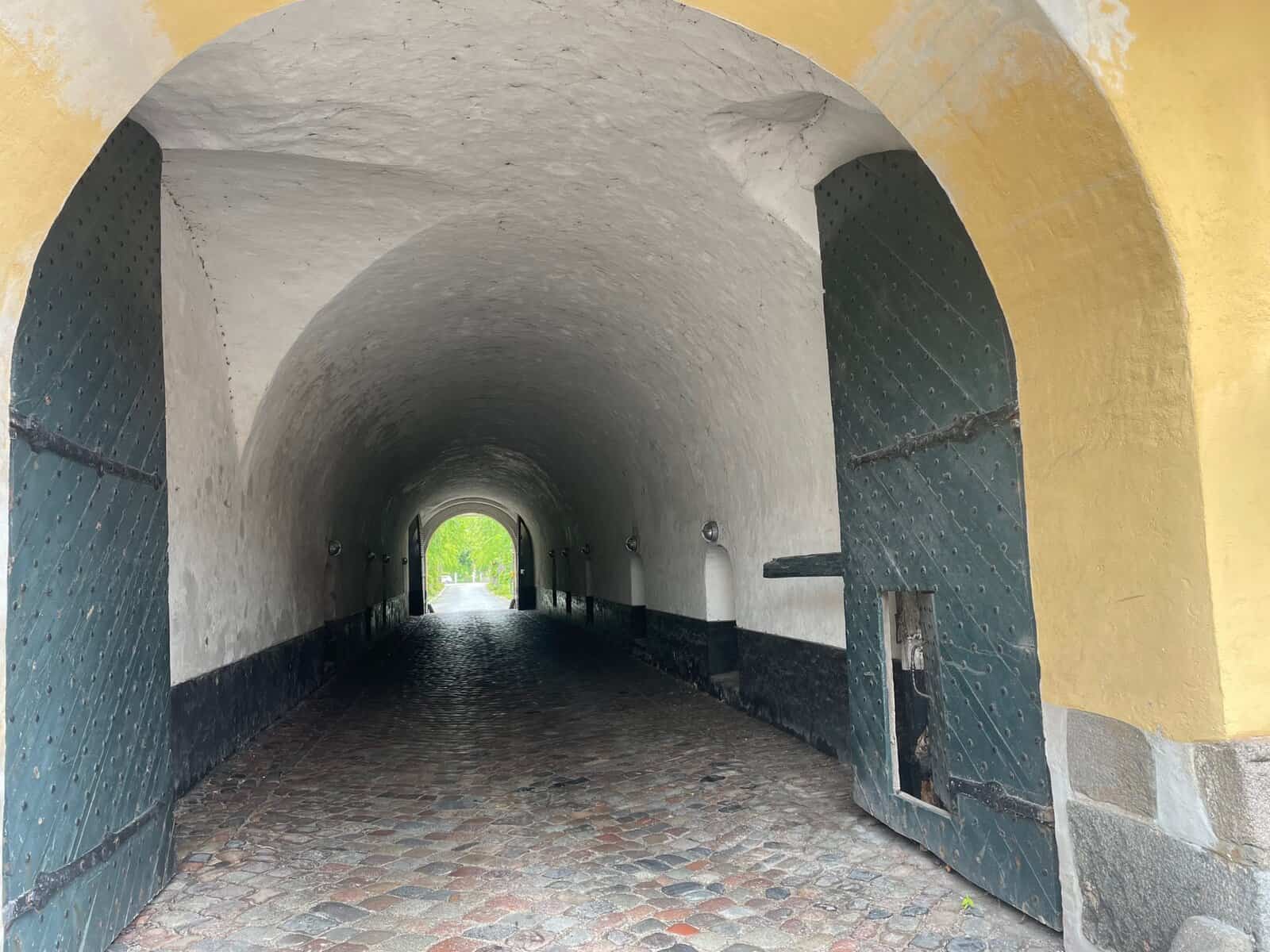
Nyborg is an ancient settlement, dating from the 6th century. Nyborg castle is very significant in Danish history. It is impressively fortified, surrounded by star-shaped ramparts and moat. The moat still exists today surrounding most of the town. In those days, there was a single entrance through a tunnel under a large building.
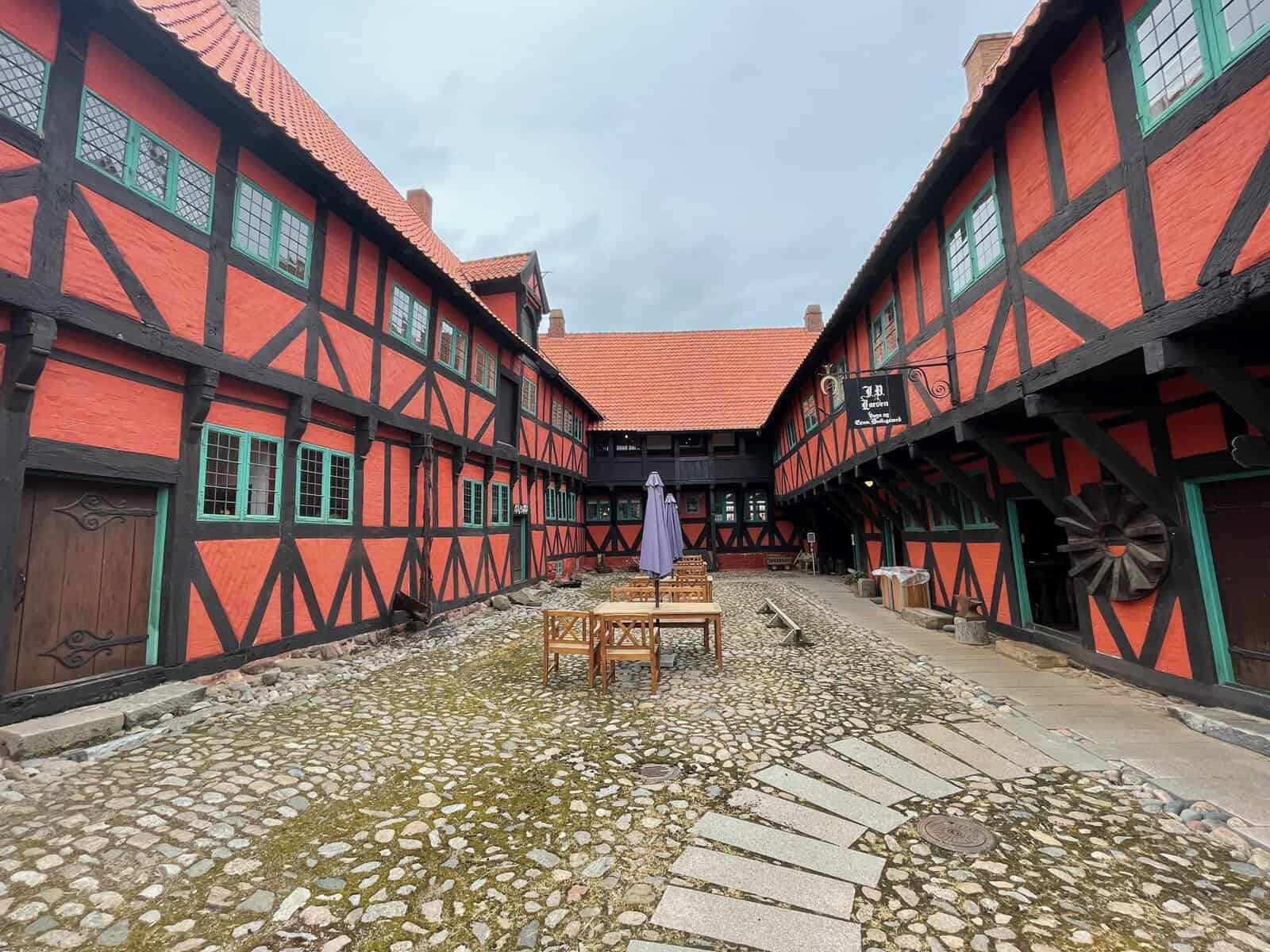
We enjoyed visiting the Church and, especially, the one time residence of Mads Lerche, mayor of Nyborg. This dates back to the 1570s and is most impressive. It is a substantial property which today is a museum and in which we could wander and view displays about life in those times.
In England we have ’Danish’ pastries. They are but poor imitations of those we sampled at the Danish Bakery Gertz. They are scrumptious – but very sugary.
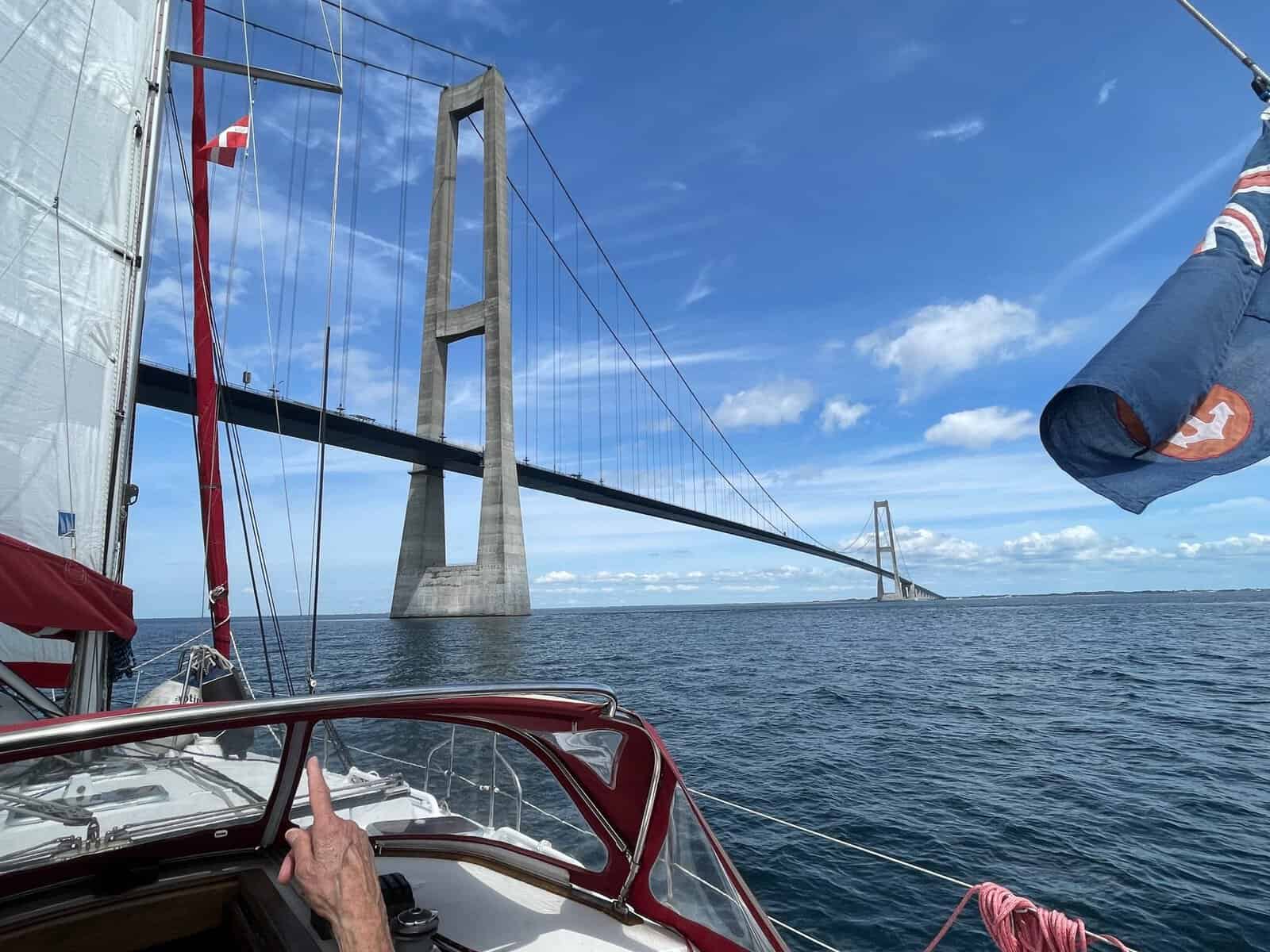
From Nyborg we sailed to Kerteminde. Although Kerteminde is only 11 miles away, we needed to pass under the mighty Store Bælt bridge. Given our air draft, we were nervous about attempting to take the lower western span and so sailed out almost to the main span, making it a 25nm passage.
The small harbour town of Kerteminde is popular with visitors. It now has a vast marina, but we berthed in the river.
Kerteminde was the home of the Danish painter Johannes Larsen (1867-1961) and his artist wife Alhed. We had an interesting visit to the museum comprising their home in a large garden with a studio. The grounds also now house a substantial gallery holding their work and also temporary exhibitions. In our visit there was an exhibition by mother and daughter Greenlandic artists.
From Kerteminde we had an excellent sail around the Hindsholm peninsular and into the Odense fjord.
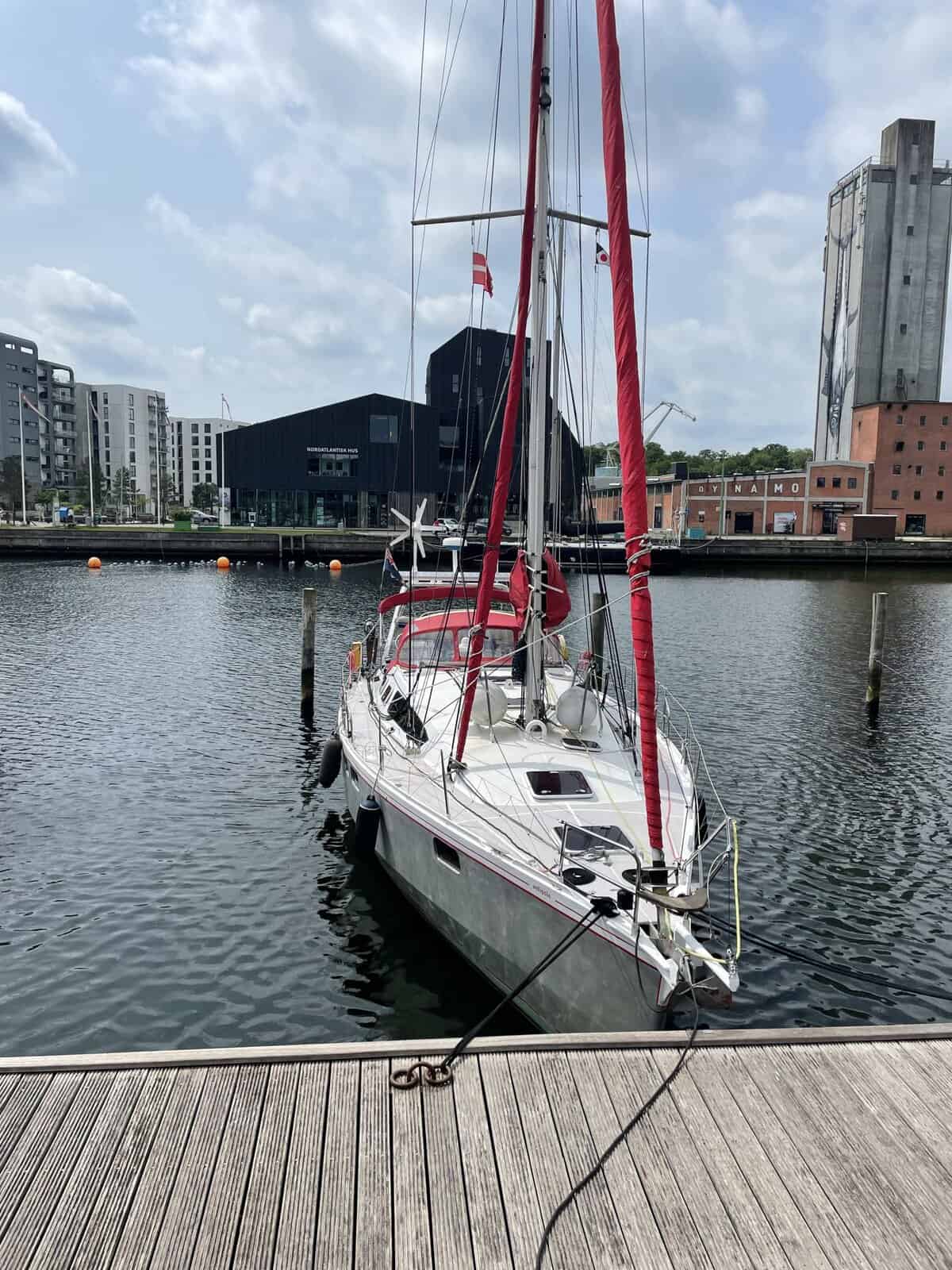
Odense is the principal city of Fyn and is ancient. There has been a settlement here for over 4,000 years and the city was founded in AD988. It is situated on the River Oden but, unusually, had no proper sea access. A canal from Odense Fjord was dug 1786-1806. We needed to pass 10nm along a narrow channel dredged through the fjord and then along the canal, wait for a road bridge to be opened for us and then pass into the Odense harbour.
Many harbours in the Baltic region provide ‘box berths’. You moor bow to a jetty, with the stern tied to two posts. Getting into these berths is notoriously difficult. You are expected to pass between the posts and somehow hook stern lines over both of them as you go – preferably crossed, so the port quarter line goes over the starboard post etc. Moments later, a crew member has to leap over the bow onto the jetty to secure a line there before it blows sideways. Often the fastenings are staples, which cannot be lassoed, or, worse, rings – you have to pass a line through them. With practice, no cross-wind and a bow thruster, an agile crew of three or four can usually achieve this.
We hate these berths and find an along-side berth where possible. Here is Odense, we gave it a try.
We liked Odense and enjoyed wandering the streets and exploring alleyways. We visited St Alban’s Church, where King Knud (Canute) was murdered, the cathedral with his tomb (now St Knud) and enjoyed superb tea at A C Perch’s Tea Room.
Odense makes good use of its spaces and there are many sculptures.
Some streets provide exciting play areas and even practice cycle tracks for young children.
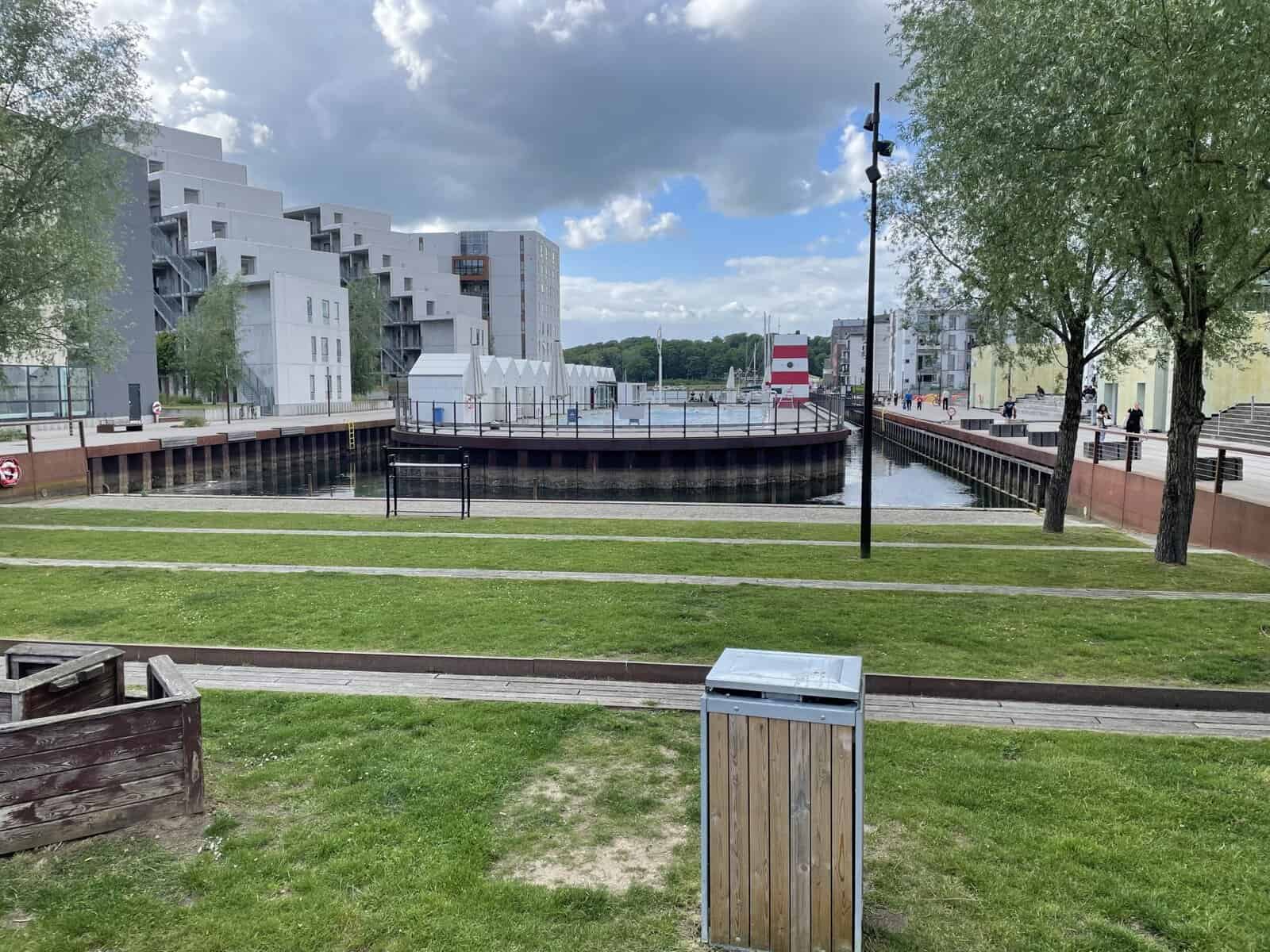
Near where Antipole is berthed is a redundant dock. A swimming pool has been built ship-like in the space. There is also a water polo ‘court’ which was being used to play water polo in canoes.
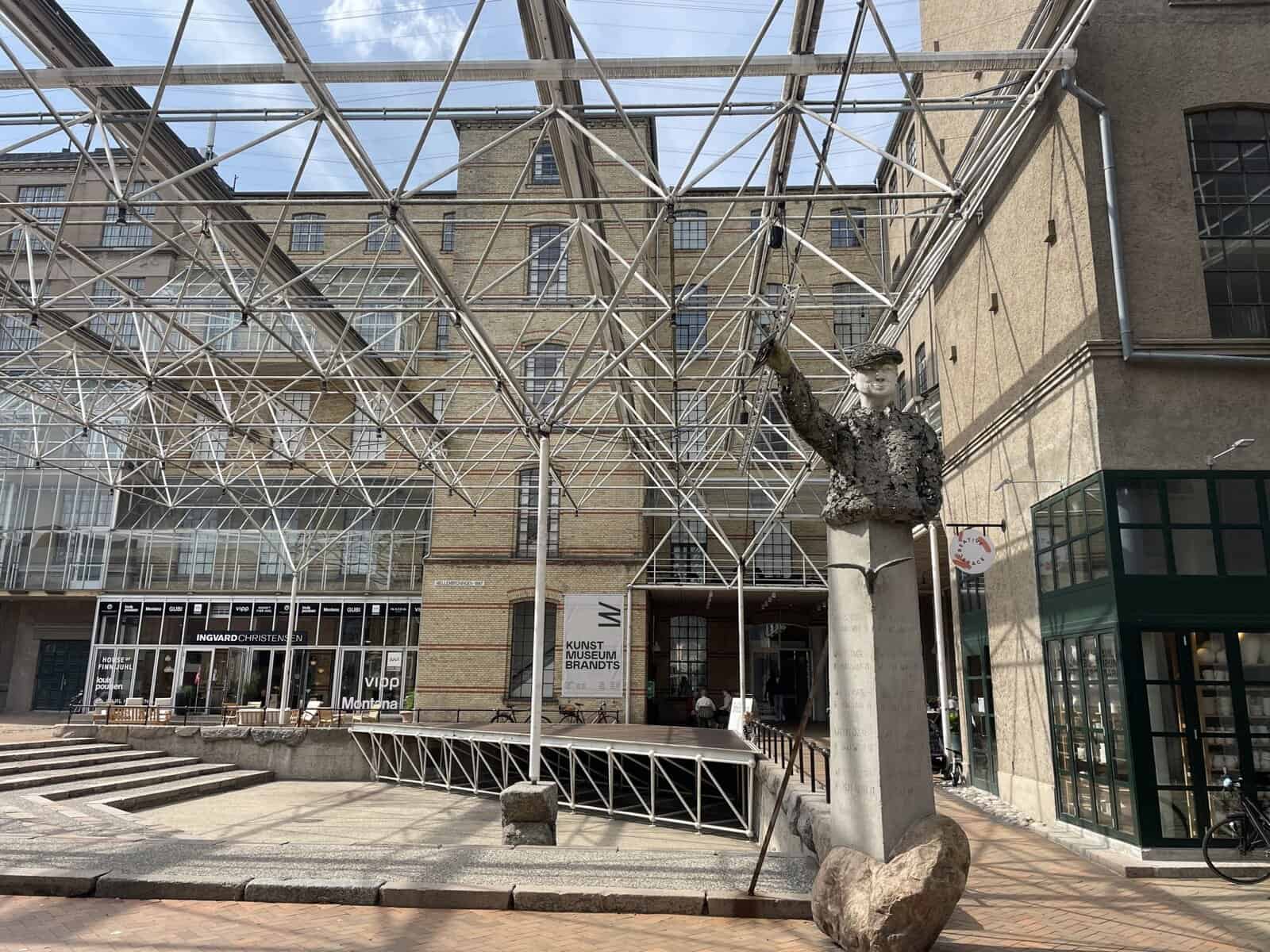
We visited the Brandts Art Museum. This has been created out of the former Brandts Fabric Factory and is vast. Its collections range from classical artists such as Jens Juel (1745–1802) to contemporary artists and sculptors. The huge spaces accommodate some very large installations.
As mentioned before, Denmark is very cycle-friendly and encourages people to cycle to work. Odense has taken this a step further. On the main cycle routes, there are detectors that sense when a cyclist is approaching traffic lights. If it is raining, the cyclist’s green light is extended to minimise stopping in the rain. The reasoning is that they deserve priority over motorist sitting dry in cars. We wonder how that would be received by the anti-cyclists in the UK!
Time to move on from Odense…
love, Ynskje & Tony
What wonderful & fascinating places you have visited, such amazing historical sites! Fair winds & tides for the next leg of your voyage !
Gosh what interesting things you have seen on this voyage. The thought of winds changing from force 4 to 6 suddenly gives me shudders! I can completely understand why you prefer the along-side berths to the box ones. How on earth did you manage it? Was it Tony or Ynskje who did the leaping? Take care. Lovely buildings and things to see and I bet you enjoyed to sourdough bread and the danish pastries. The thought of them made my mouth water! Go easy and enjoy.
Liz x